

Move 01 of 4
Build Capacity
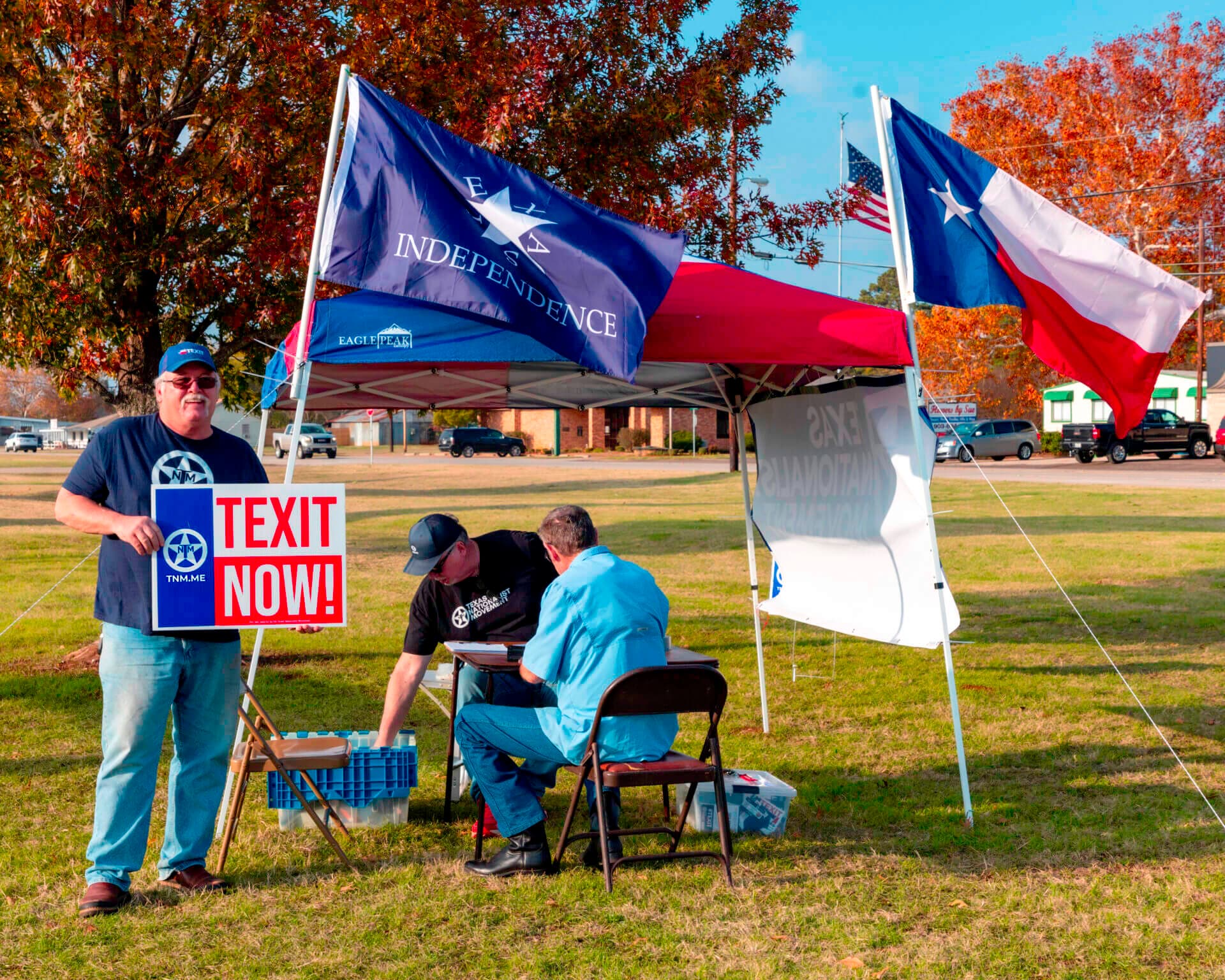
Independence is built, not declared. The first move is capacity, and the research on how movements tip says the committed core needed is smaller, and more strategic, than most people think.
Independence is built, not declared
There is no magic piece of paper, and no day the movement rolls up fifty deep and takes the Capitol. The first move is capacity: gathering the manpower, resources, skills, and support to win. It is first for a reason. Independence requires winning a referendum. A referendum requires the Legislature to act. The Legislature acts under political pressure. That pressure is committed, activated Texans, in sufficient numbers and in the right places. Pull out the bottom block and the whole tower comes down, so we start at the bottom.
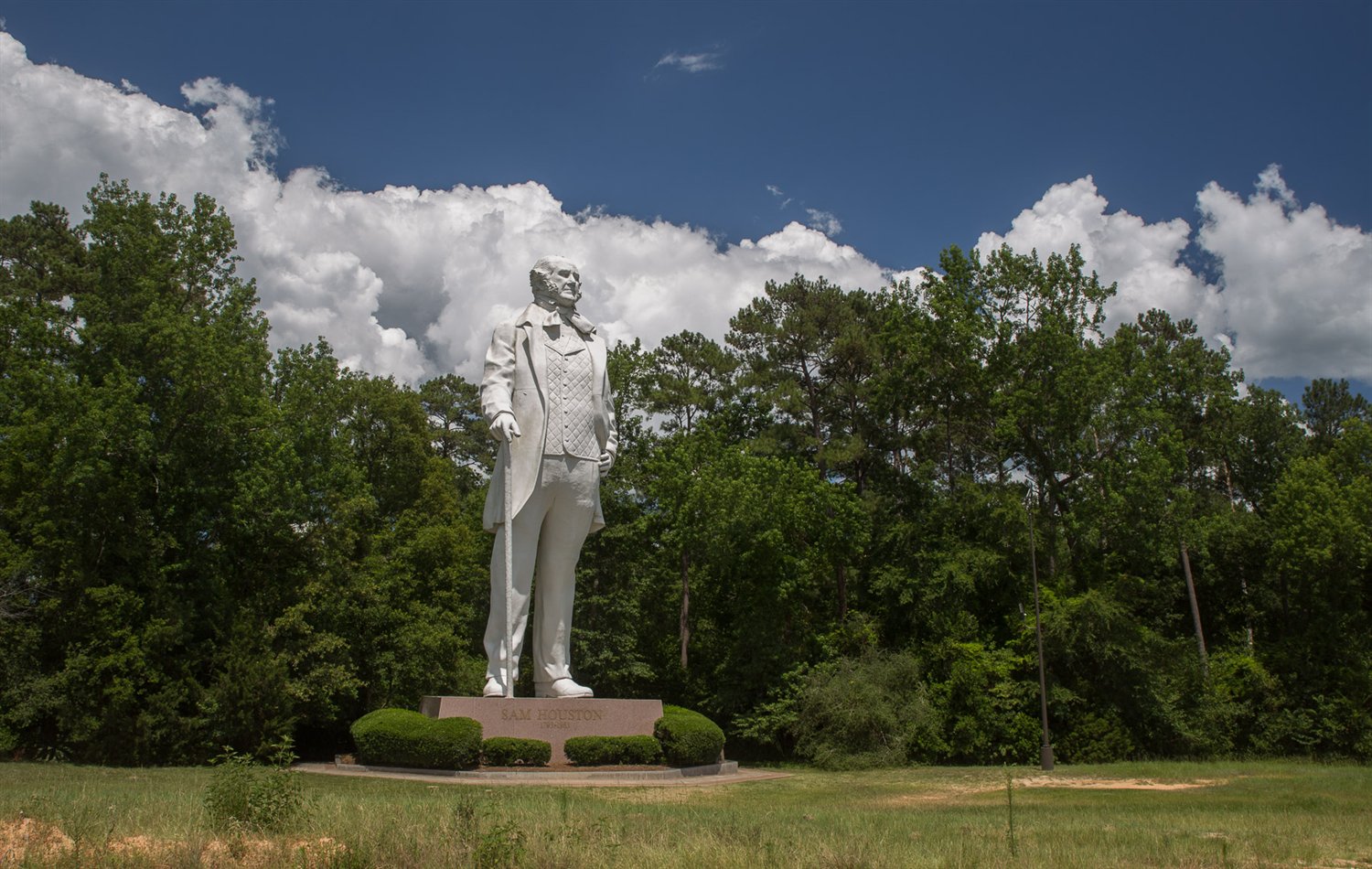
This is the unglamorous work every serious movement does before it needs to. Eisenhower did not land at Normandy and hope for the best. Sam Houston, handed command of the Texan army, called up recruits, secured supplies, and built a plan, and that built capacity beat Santa Anna at San Jacinto in about eighteen minutes. We do the same thing, on purpose, before we need it.
The pillars of power
Every government stands on a handful of institutions: the military, the legislature, the courts, business, the churches, and the civic and community leaders who hold a society together. Drawn from Gene Sharp's study of how movements move entrenched regimes, the rule is simple. You do not knock those pillars down. You move them, one at a time, to the side of the people.
The math of a tipping point
How many committed people does it take to move them? Fewer than most assume, and it is not a single magic number. Sequential Tipping, a 2026 study by Daniel Miller, gathers thirty threshold findings from seventy years of research, 1957 to 2025, and finds that social systems tip in three bands rather than at one line: an activation band around three to five percent, a cascade band around ten to sixteen percent, and a convention-change band around twenty to thirty percent. Twenty-six of the thirty findings fall into those bands, a clustering with less than a one-in-ten-thousand chance of being random.
Fig. 1 · The tipping point
Social systems tip in three bands, not at one line
- Activation band3-5%
- Cascade band10-16%
- Convention change20-30%
Why sequence beats spread
The same study models the pillars as a connected network and asks how a committed minority tips the whole system. This is the heart of the strategy. Concentrating effort to tip one well-chosen pillar at a time, and letting it cascade to the rest, takes far fewer people than pushing on all of them at once, on the order of forty percent fewer. The best first target is not the easiest pillar to move; it is the one most connected to the others, because tipping it pulls the rest down with it. Sequenced and connected this way, a committed core well under ten percent can move the entire structure.
There is a hard edge here for anyone who would try to stop a movement. The study tested the standard regime playbook, fragmenting a movement, isolating its people, cutting off its leaders, and found that three of those four tactics backfire. They thin out the very social fabric that keeps a population loyal to the status quo, and make the movement's job easier instead of harder. A network built right gets stronger when it is attacked.
What it means for Texas
Every new idea is carried first by a small core of early adopters, roughly two and a half percent, before it spreads to everyone else. If you are reading this, that is you. Texas has about 15.8 million voters who can reliably turn out, and the committed core that actually tips the system is a fraction of that, concentrated where it has the most leverage, not a one-day poll number. A sixty-six percent poll measures people on a single afternoon. Unshakeable belief, the kind the defenders of the Alamo had, is what moves pillars.
Fig. 2 · The early core
the early-adopter core that carries every new idea before it spreads to everyone else. If you're reading this, that's you.
One rule, underlined twice: capacity building never stops. The Allies never decided they had enough recruits or enough fuel. They built until the job was done. So do we. This is the move where you come in, because the committed core the whole plan runs on is Texans who decide to act.
Texas First. Texas Forever.